


Root canals can treat an infection or inflammation caused by damage or decay that affects the pulp inside of the tooth. Painless root canal treatments help save a natural tooth from extraction and relieve pain related to the inflammation or infection. Saving a tooth with a root canal can protect other teeth from excessive wear and may also improve chewing and biting force.
If you are struggling with a sore mass you are unable to eliminate and are looking for a team of dental experts who can offer you the best treatment and treat you with professionalism and seriousness, you have come to the right place here! R+R Dental offers root canals in Hicksville, NY. Our surgeries are equipped with ultra-modern equipment and technology that make it easier to provide the highest quality treatment. Call today or make an appointment online to set up a consultation with our specialists and eliminate pain.
How is a Root Canal Performed?
The primary goal of a root canal is to treat, repair, and save severely damaged or infected teeth. Dr. Richer or Dr. Rivera will administer a local anesthetic to numb the tooth. If you have never had dental anesthesia, you may feel a small pinch and minimal discomfort. The anesthetic works quickly, and your dentist will ensure you cannot feel anything before proceeding. At R+R Dental our main goal is patient welfare, so all measures to make you feel comfortable will be taken. If you have any questions, do not hesitate to ask our specialists.
Next, your dentist will use a small drill and other small tools to access the inside of your tooth where the pulp chamber is located. Once the damaged pulp is removed, the tooth will be cleaned and disinfected to avoid further infection.
Once the area is clean and dry, a temporary filling is applied. This biocompatible material is placed together with an adhesive cement in the hollow space inside the tooth to facilitate the complete sealing of the canals. You will have a follow-up appointment, so your dentist can apply a permanent crown to the tooth. Depending on how damaged the natural tooth is, your dentist may have to perform more procedures. The crown is strong and will protect your tooth from further damage.
After the whole process is completed, your tooth will be restored to its full function. The root canal treatment solves the problem causing pain and inflammation and restores the tooth structure. You will not feel any difference between how your tooth was before your pain began and how it is after the root canal therapy.

Why Do I Need a Root Canal?
A root canal is a preferred treatment because it saves the natural tooth and maintains overall health and balance in the mouth. Sometimes, a root canal is not the best option for treating a damaged tooth. If a tooth is deemed too damaged, an extraction may be the only choice.
If you suspect you may need a root canal, your tooth will get an x-ray so our dentists can determine the extent of the damage. If the pulp shows signs of inflammation or infection, you may benefit from having a root canal.
How Will I Know If I Need a Root Canal?
Visiting R+R Dental and getting an x-ray is the best way to know if you need a root canal, but you may feel or see signs before your visit. Some common signs that often indicate an inflamed or infected pulp in the tooth include severe toothaches, swelling or tenderness in the gums, painful chewing, discoloration of the tooth, and sensitivity to temperatures.
It is important to note if you do not feel a lot of pain or see visible cracks or damage to your tooth, the pulp in your tooth may still be damaged and need to be repaired.
If the infection remains untreated it can lead to tooth loss and even a dental abscess, which will be more complicated and difficult to treat. In some cases, an untreated infected root canal can result in a stroke or sepsis, which can be life-threatening. It is best to act at the first signs and eliminate pain and possible complications.
What are the Symptoms of Root Canal?
Although there are very rare cases where root canals do not show symptoms until late when the infection is already extensive, most of the time this condition comes with a number of symptoms that alert it is time for a visit to the dentist.
Signs you need a root canal include the following:
- Constant dental pain
While many dental conditions can cause pain, if it is sharp and acute, it can signal a root canal infection. Often the discomfort extends to the rest of the head, especially to other teeth and the jaw.
- Tooth sensitivity to cold and heat
If the pain persists for more than a few seconds when the tooth comes into contact with food that is either too hot or too cold, such as coffee or ice cream, then it is likely to be an infection.
- Discolored teeth
When an infection occurs in the pulp of the tooth, the blood supply becomes poor. Thus, the tooth will take on a darker color from the tooth root up.
- Swollen gums
If you notice the gums are more swollen in the area of a tooth, this may be due to pus accumulating in the area. This can lead to tenderness and pain on palpation.
- Swollen jaw
Due to the accumulation of excess pus, which has nowhere to drain, a visible abscess may also appear from the outside of the mouth. Thus, your jaw may become swollen and painful to the touch.
If you experience any of these symptoms you may need a root canal treatment. It should be treated as soon as possible to save your natural teeth and avoid the appearance of other complications. Make an appointment with one of our specialists here in Hicksville, NY, to receive high-quality treatment and prevent further decay.
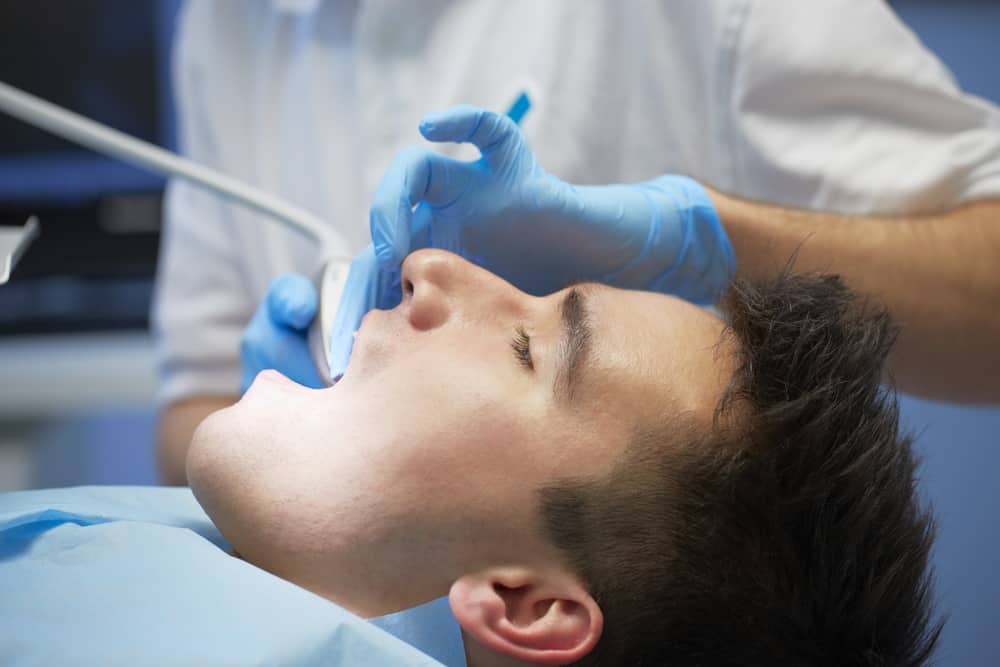
Do Root Canals Hurt?
For decades, root canal therapy has often (and unfairly) been viewed as a painful procedure. While it may have been an uncomfortable process years ago, advances in dental technology have made getting a root canal as common and pain-free as a basic filling.
The caring and professional staff at R+R Dental strive to make each patient’s experience as comfortable and pain-free as possible. Despite the myth that a root canal treatment is one of the most painful dental procedures, it is no more painful than getting a filling for a cavity. An anesthetic is applied to the affected tooth, so you can be comfortable during the procedure.
Caring for Your Teeth After a Root Canal
Although the dentists at R+R Dental make your restored tooth as healthy and strong as possible, it is up to you to take care of your teeth following a root canal. Good oral hygiene habits are essential to your dental health, and it is never too late to start taking care of your teeth.
Adopting a daily routine of brushing twice a day and flossing can not only help to keep your restored tooth healthy and clean, but can also prevent future dental problems.
It is also important to avoid chewing on hard foods, such as ice or hard candies. Over time, they can damage teeth, causing cracks, and make it easier for the pulp to become infected or inflamed.
Aside from practicing healthy oral care, one of the best things you can do is have regular checkups and cleanings at R+R Dental. With regular visits, we can help to stop dental problems from becoming worse, and ensure your restored tooth is as strong and healthy as it was the day of the root canal. Contact us today.
Frequently Asked Questions About Root Canals
Why would I need a root canal?
A root canal may be needed when the inside of a tooth becomes infected or inflamed from deep decay, damage, or trauma. Treatment removes the infected tissue, cleans the inside of the tooth, and helps save the natural tooth.
Are root canals painful?
Most patients are more comfortable than they expect. Local anesthetic is used, and the team explains each step so the visit feels more manageable
What happens during a root canal?
The dentist creates a small opening in the tooth, removes the infected or inflamed tissue, cleans and disinfects the inside of the tooth, and seals it. A crown may be recommended afterward to protect the tooth.
How will I feel after a root canal?
Some tenderness for a few days can be normal. R+R Dental will give aftercare instructions and let you know when to call if pain, swelling, or bite discomfort does not improve.
Will I need a crown after a root canal?
It depends on the tooth. Back teeth often need crowns because they handle more chewing force, while some front teeth may not. The dentist will recommend the best way to protect the restored tooth.
